



Every renovation has a perfect moment, and most property owners miss it by a few weeks. The same upgrade can raise the rent or quietly eat into it, depending on when the work begins.
Rental property renovations done at the right moment protect rental income. Done at the wrong moment, they disrupt tenants and drag out vacancy. For most rentals, tenant turnover is the window that makes sense.
If you want upgrades that pay off without costing extra weeks of vacancy, keep reading to see how to time each project around your next turnover.
Key Takeaways
- Tenant turnover offers the fastest, least disruptive window for most rental renovations.
- Rising vacancy times and frequent repair requests are strong signals that a unit needs upgrades.
- Planning two to three months ahead keeps renovations from extending the vacancy period.
- Cosmetic updates fit most turnover schedules, while kitchen and bathroom remodels need a planned vacancy.
Why Tenant Turnover Is the Best Window for Rental Renovations
Tenant turnover gives owners a rare clean slate. Here are the reasons vacant units make upgrades simpler and more profitable.
Contractors Finish Faster in Empty Units
Crews can work full days without coordinating around a tenant’s schedule. There’s no furniture movement to plan around and no belongings to protect. Renovation projects that drag on in an occupied unit can often wrap up much sooner. Contractors can also inspect the entire property and catch problems that were hidden behind couches and dressers.
Fresh Upgrades Justify a Higher Rent on Day One
A refreshed unit enters the market at a stronger price point. Prospective tenants compare listings side by side, and property condition shows up in every photo. Timing upgrades to a new listing lets owners set a higher rent from the start.
Waiting for a Vacancy Avoids Entry Notice Conflicts
California landlords generally must give 24 hours’ written notice before entering a unit under Civil Code Section 1954. Ongoing work also cuts into the tenant experience and can hurt tenant satisfaction. A vacant unit sidesteps both problems.
Signs a Rental Is Due for an Upgrade
Not every turnover needs more than fresh paint. Here are the signs a unit is ready for a bigger upgrade:
- The listing sits longer than comparable homes: Weak rental appeal pushes potential renters toward newer-looking units.
- The same repairs keep coming back: Frequent maintenance requests signal aging replacement cycles. Replacing worn items instead of patching them over multiple tenant cycles cuts long term maintenance expenses and improves maintenance efficiency.
- Nearby rentals charge more for updated units: When market trends favor updated finishes, an upgrade keeps the rental competitive and supports long term property performance.
- Departing tenants complain about the same features: Repeated feedback reveals renter preferences that affect tenant retention. Fixing them leads to higher tenant satisfaction with the next resident.
How to Plan Renovations Around the Turnover Timeline
Good renovation planning keeps a project from turning into an extended vacancy. Here are the steps that keep upgrades on schedule:
- Start planning two to three months out: Many owners wait until move-out, which can add weeks of lost rent. Early planning leaves time to gather bids and compare options.
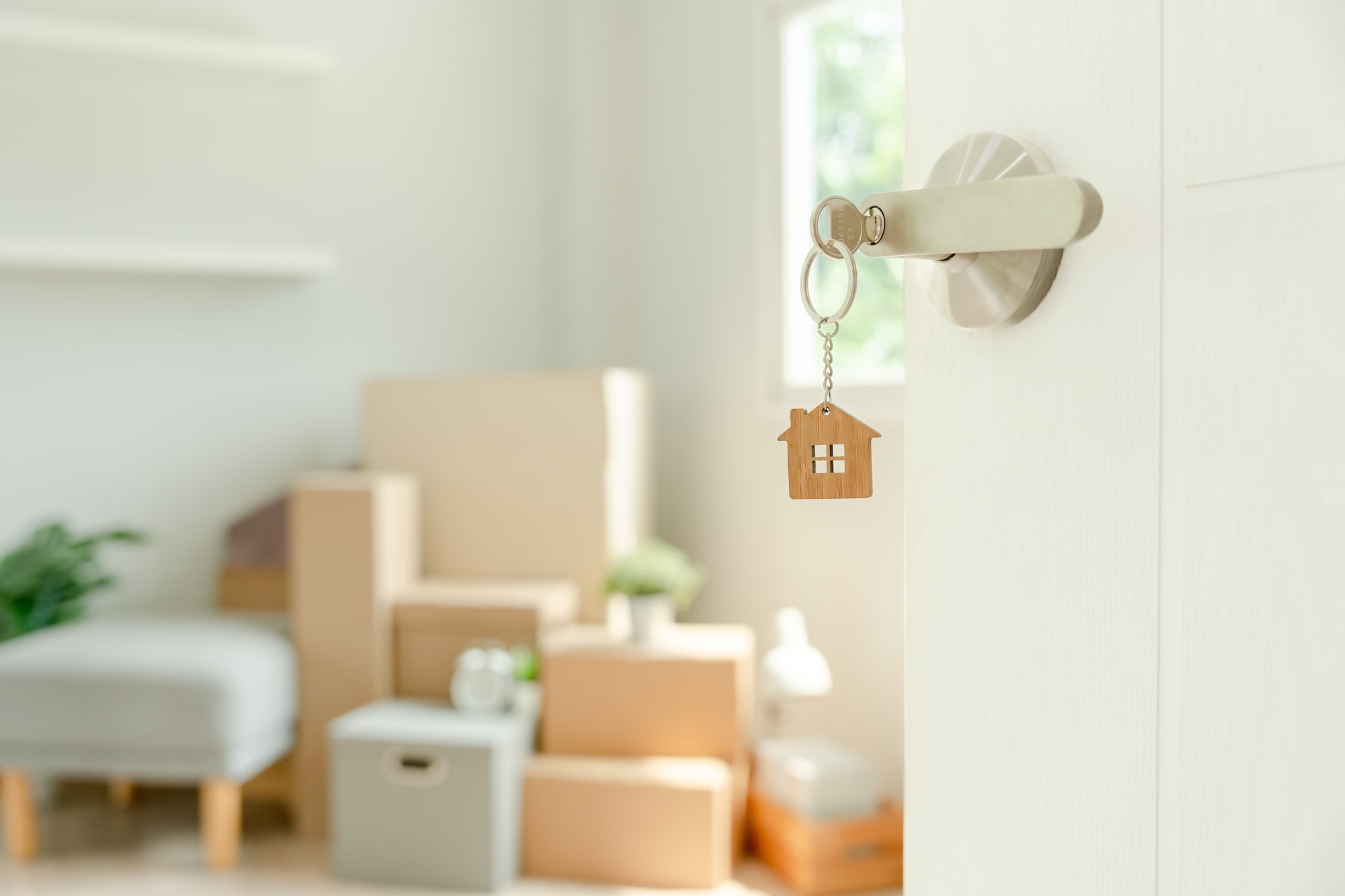
- Lock in the move-out date first: Get it in writing before booking crews, then schedule work right after the move-out inspection.
- Order materials while the tenant still lives there: Backordered flooring or cabinets can stall a project. Having materials on site the day the unit empties makes a significant difference in vacancy length.
- Add a few buffer days to the schedule: Smart owners anticipate extra time for inspections and punch-list fixes, which keeps move-in dates realistic.
Advantage Property Management Services coordinates vendors and turnover schedules so upgrades in Pleasanton rentals finish on time. Request a free rental analysis to see what your property could earn after its next turnover.
Which Upgrades Fit a Short Turnover Window
The best rental renovations weigh cost against return. Relatively small upgrades often do the most for a property’s appearance. Here are the upgrades that match different turnover timelines:
- Cosmetic updates: Fresh paint and LED lighting can refresh a unit in days. Since lighting accounts for about 6% of electricity consumption in U.S. homes, per the U.S. Energy Information Administration, improving energy efficiency here trims utility bills for potential tenants.
- Flooring: Luxury vinyl plank handles heavy foot traffic and wear and tear better than premium carpet, so it can remain attractive through several leases.
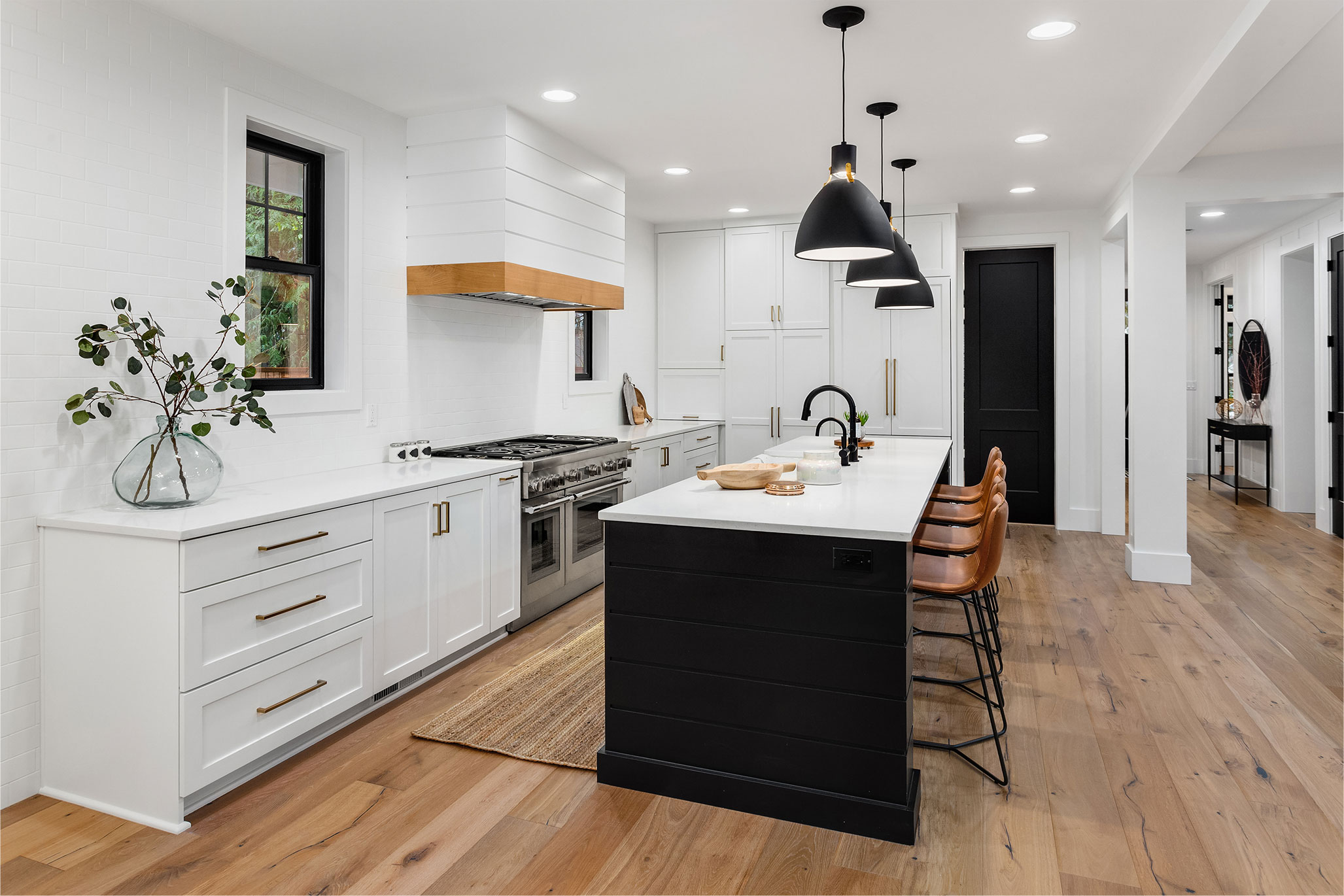
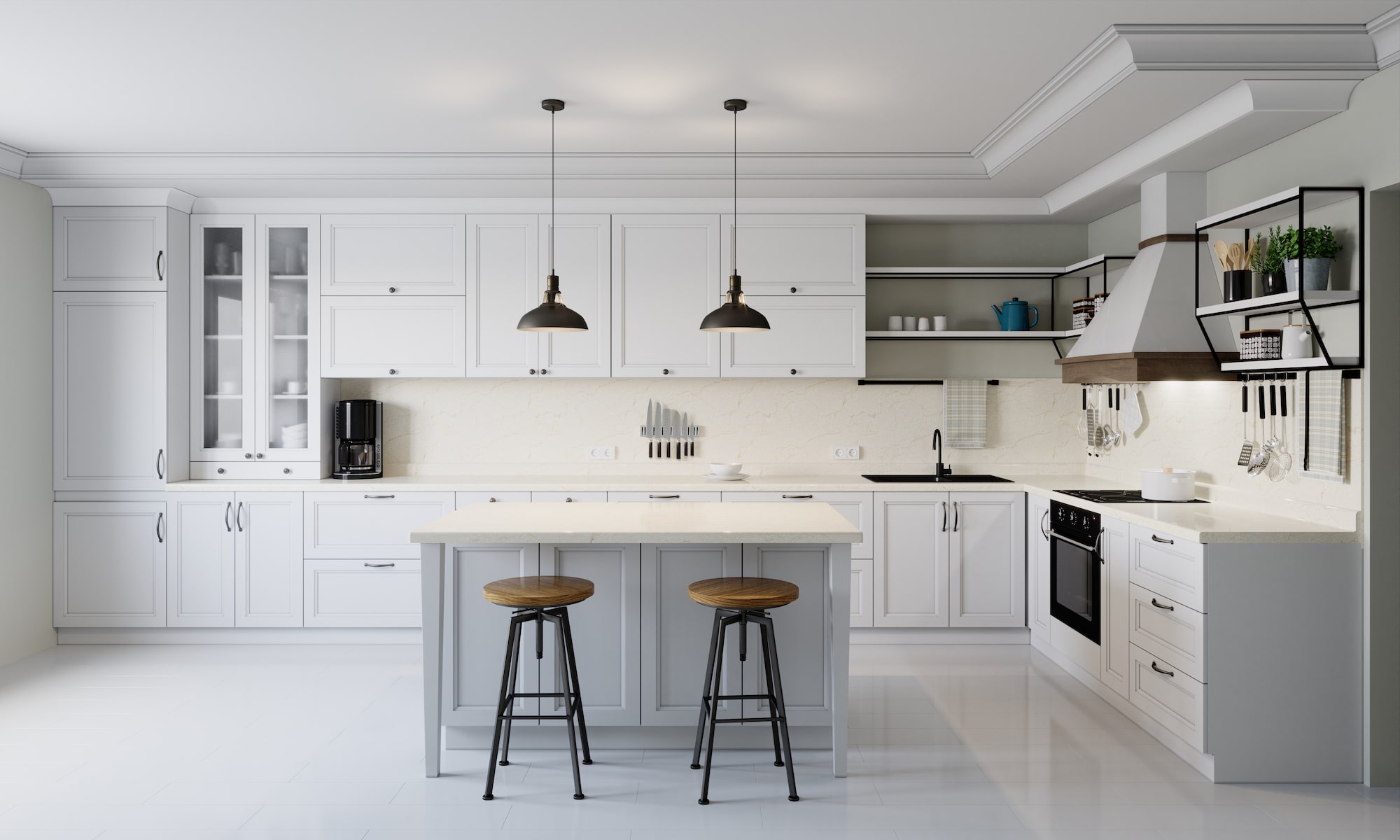
- Kitchen and bathroom remodels: A kitchen remodel needs a longer vacancy. These rooms drive a significant portion of first impressions, and kitchen renovations can significantly affect what prospective renters will pay.
- Smart home features: Smart thermostats and smart locks often go in within a day. In Rently’s 2025 survey, 65% of renters said they would pay more in monthly rent for smart home features. Built in features like these boost tenant appeal and support an energy efficient home without unnecessary expenses.
Small upgrades like these lift the property’s appeal without stretching the vacancy. Remember that rentals aren’t owner occupied properties. Trend focused kitchens, luxury bathrooms, and luxury finishes cost more to repair. Specialty tile and specialty hardware bring higher replacement costs and more maintenance, and flexible layouts rarely pay back.
Practical renovations with durable materials preserve profitability. Energy efficient appliances reduce maintenance demands, and strategic renovations focus on what quality tenants use daily. That matches today’s tenant expectations.
Frequently Asked Questions
Q: Are rental property renovations tax deductible?
Repairs are generally deductible in the year they happen. Improvements are typically depreciated over time. A tax professional can confirm how a specific project is classified.
Q: Do landlords need permits for rental renovations?
Structural and electrical work usually requires a permit. Cosmetic updates like paint often don’t. Check with the local building department before starting.
Q: Can renovations justify a rent increase under California rent caps?
California’s statewide rent cap limits annual increases on many existing tenancies. Setting a new rent between tenants generally works differently. Local rules can add requirements, so confirm before pricing a renovated unit.
Good Timing Turns Upgrades Into Higher Returns
Tenant turnover is the natural moment for most upgrades. Planning ahead keeps vacancy short and rental performance strong. Choosing durable, practical improvements protects property value across many leases. The right timing helps a rental property attract quality tenants and sustain strong property performance for years.
The right upgrade at the right time can change what a Pleasanton rental earns. Reach out to Advantage Property Management Services, and let’s discuss which improvements will pay off for your property.